
"South Africa coffee origins"
1000 article(s) found

A brief introduction to coffee producing areas-the difference between Ethiopian boutique coffee and ordinary coffee
Ethiopia is a landlocked country in northeast Africa. It is bordered by Djibouti and Somalia to the east, Sudan and South Sudan to the west, Kenya to the south and Eritrea to the north. The plateau accounts for 2% of the total area of the country, with an average elevation of nearly 3000 meters, which is known as the roof of Africa. Ethiopia is the birthplace of the famous Arabica coffee beans, which has been maintained to this day.
Coffee belt (COFFEE WORLD MAP)
Coffee trees grow in tropical or subtropical agricultural gardens centered around the equator and called coffee belts.

Detailed description of AA Flavor Evaluation in Bugisu, Uganda
Professional barista communication please pay attention to the coffee workshop (Wechat official account cafe_style) [product name] Bugisu AA (Bugisu AA) [origin] Uganda (Uganda) [treatment] washing [roasting] recommended baking degree: medium roasting [cup review] the lemon aroma under shallow baking disappears during deep baking and is replaced by a slightly bitter and sweet chocolate biscuit

Coffee beans Basics African coffee beans Congo Kivu 4/Kivu 4
[Name] Kivu 4 [Origin] Congo (D.R.) Recommended Roast: Medium or Deep Roast: Distinctive dry aroma: earthy freshness; bright acidity under light flood, Kenyan, and tobacco-like bitterness. Overall performance under deep baking is between Kenya and Indonesia's Mantaning
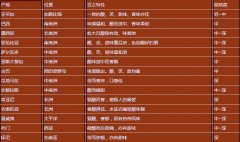
Analysis and summary of coffee characteristics from different origins
Jamaica Caribbean consistent sour, bitter, sweet, aroma is also good light ~ Central Brazil South America taste mild, sour bitter moderate, aroma soft Central Mexico North America grain large and sour strong, fragrant medium ~ deep Colombia South America sour, bitter, sweet heavy and thick, color as a good wine medium ~ deep Salvador Central America sour, bitter, sweet moderate ~ deep brother
Main producing areas and characteristics of coffee
Coffee production zones (commonly known as coffee belts) range from 25 degrees north latitude to 30 degrees south latitude, covering many countries in Central, West Africa, the Middle East and South Asia, the Pacific, Latin America and the Caribbean. The reason why coffee cultivation is concentrated in this area is mainly due to the limitation of temperature. Because coffee trees are vulnerable to frost, neither north nor south latitude is suitable, especially in the tropics.

Coffee trees grow around the equator.
Coffee trees grow in tropical or subtropical agricultural gardens centered around the equator and called coffee belts. Most of the coffee production is between the Tropic of Cancer, 25 degrees north of the tropical or subtropical equator and 30 degrees south of the equator. An area with an annual average temperature of 16-25 degrees Celsius, no Frosts Descent and rainfall of 1600-2000 mm. At present, coffee is mainly produced by seven countries.
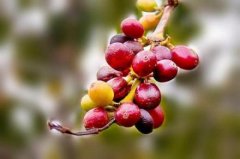
Coffee knowledge equator-centered coffee belt
Most of the coffee production is between the Tropic of Cancer, 25 degrees north of the tropical or subtropical equator and 30 degrees south of the equator. An area with an annual average temperature of 16-25 degrees Celsius, no Frosts Descent and rainfall of 1600-2000 mm. At present, coffee is mainly produced in more than 70 countries. The Big self is located at an altitude of 300,400m, sometimes between 2000 and 2500 meters above sea level.

Main producing areas and characteristics of Fine Coffee
Coffee production zones (commonly known as coffee belts) range from 25 degrees north latitude to 30 degrees south latitude, covering many countries in Central, West Africa, the Middle East and South Asia, the Pacific, Latin America and the Caribbean. The reason why coffee cultivation is concentrated in this area is mainly due to the limitation of temperature. Because coffee trees are vulnerable to frost, neither north nor south latitude is suitable, especially in the tropics.
Coffee Basics Where is the coffee belt distributed
Coffee production occurs mostly between Tropic of Cancer, 25 degrees north of the equator and 30 degrees south of the equator in tropical or subtropical regions. Areas with an annual average temperature of 16-25 degrees Celsius, frost-free and rainfall of 1600-2000 mm. At present, there are more than 70 major coffee producing countries. The largest one is located at an altitude of 300-400 meters, and sometimes at an altitude of 2000-2500 meters.
A brief history of the origin and development of coffee culture
No one knows about the place where coffee was born, and there are different opinions about the origin of coffee. In order to get an accurate answer, coffee experts and botanists investigated coffee and found that Ethiopia in Africa is the hometown of coffee. According to the current investigation, there are still a large number of unknown wild coffee trees in the African rainforest region, whose fruit flavor is unique and received by experts.

A brief history of the origin and development of coffee
No one knows about the place where coffee was born, and there are different opinions about the origin of coffee. In order to get an accurate answer, coffee experts and botanists investigated coffee and found that Ethiopia in Africa is the hometown of coffee. According to the current investigation, there are still a large number of unknown wild coffee trees in the African rainforest region, whose fruit flavor is unique and received by experts.

Basic knowledge about coffee trees the origin of coffee trees is in Ethiopia, Africa.
The origin of the coffee tree is Ethiopia in Africa. In botany, coffee trees belong to the long green trees of the subgenus Rubiaceae, and coffee beans, commonly known as coffee beans, are actually the seeds of the fruit of coffee trees, just because they are shaped like beans, so they are called coffee beans. Climate is the decisive factor for coffee cultivation. Coffee trees are only suitable for growing in the tropics or subtropics, so latitude 25 is south and north.

Boutique Coffee introduction of 53 Coffee producing areas in the World 4
twenty-three. Angola, once a big coffee producer, exported 3.5 million bags of coffee a year in the mid-1970s, 98 per cent of which was Roberts (probably the best in Africa), but total production fell to 200000 bags in 1990. The best brands in Angola used to be Ambriz and Amborm.

Where is the basic knowledge of boutique coffee?
Coffee trees grow in tropical or subtropical agricultural gardens centered around the equator and called coffee belts. Most of the coffee production is between the Tropic of Cancer, 25 degrees north of the tropical or subtropical equator and 30 degrees south of the equator. An area with an annual average temperature of 16-25 degrees Celsius, no Frosts Descent and rainfall of 1600-2000 mm. At present, coffee is mainly produced by seven countries.

Characteristics of Latin American coffee beans Growing area Flavor description Processing method
Each Latin American blend coffee is unique and does not include any Latin American single-origin coffee. Sometimes Starbucks 'blend coffee may also contain beans sourced from different regions of Mexico, Guatemala and Colombia. Starbucks buyers are also in Costa Rica, El Salvador and Nepal.

Coffee bean production area Wiki Valley
Coffee producing area Editor Coffee beans Coffee beans the most sensible and practical way to understand the countries that produce coffee is to classify them into the three major coffee growing areas in the world: Africa, Indonesia and Central and South America. Generally speaking, coffee grown in the vicinity has similar characteristics. If a particular bean is out of stock, the manufacturer and buyer of the comprehensive product will usually look for the nearby one.

How about Kilimanjaro coffee? the top student of Kilimanjaro coffee beans in Tanzania
Professional coffee knowledge exchange more coffee bean information please pay attention to the coffee workshop (Wechat official account cafe_style) front street-Kilimanjaro Coffee introduction Tanzania is located in eastern Africa, south of the equator, east of the Indian Ocean, the terrain is high in the northwest and low in the southeast, the Great Rift Valley of East Africa divides into east and west branches from Lake Malawi to its north and south. The Kibo Peak Sea of Mount Kilimanjaro in the northeast

Main producing areas and characteristics of Coffee in the World
Coffee production zones (commonly known as coffee belts) range from 25 degrees north latitude to 30 degrees south latitude, covering many countries in Central, West Africa, the Middle East and South Asia, the Pacific, Latin America and the Caribbean. The reason why coffee cultivation is concentrated in this area is mainly due to the limitation of temperature. Because coffee trees are vulnerable to frost, neither north nor south latitude is suitable, especially in the tropics.
The main producing areas and characteristics of Coffee in the World
Coffee production zones (commonly known as coffee belts) range from 25 degrees north latitude to 30 degrees south latitude, covering many countries in Central, West Africa, the Middle East and South Asia, the Pacific, Latin America and the Caribbean. The reason why coffee cultivation is concentrated in this area is mainly due to the limitation of temperature. Because coffee trees are vulnerable to frost, neither north nor south latitude is suitable, especially in the tropics.